Description
1. Scientific Overview
LX162 Clonazepam is a high-purity batch of the renowned benzodiazepine compound, Clonazepam. As a mainstay in neurological and psychiatric research, Clonazepam is primarily studied for its potent anticonvulsant, anxiolytic, and muscle relaxant properties, which stem from its positive allosteric modulation of the GABA-A receptor. A key area of research involves comparing its profile to other benzodiazepines, such as in studies of Clonazepam vs Lorazepam and Clonazepam vs Xanax effects.
Understanding the difference between Clonazepam and Lorazepam often focuses on their distinct pharmacokinetics, particularly the significantly longer Clonazepam half-life. Our LX162 product is the pure active pharmaceutical ingredient (API), meeting USP standards, making it an indispensable reference material for analytical, forensic, and developmental laboratories.
2. Advanced Chemical Specifications & Properties
- Chemical Name: 5-(2-Chlorophenyl)-1,3-dihydro-7-nitro-2H-1,4-benzodiazepin-2-one
- Synonyms: Clonazepam API, Klonopin (generic names e.g., Clonazepam itself is the generic name)
- CAS Number: 1622-61-3
- Molecular Formula: C₁₅H₁₀ClN₃O₃
- Molecular Weight: 315.71 g/mol
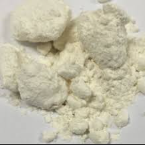
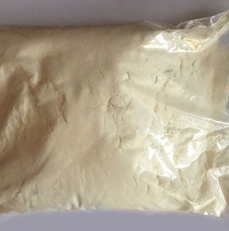
- Appearance: Fine, light yellow to off-white crystalline powder
- Purity: ≥99% (USP Grade, HPLC-verified)
- Solubility: Slightly soluble in ethanol and acetone; very slightly soluble in water
- Storage: Store in a well-closed, light-resistant container at controlled room temperature (20–25°C)
- Stability: 36 months when stored under recommended conditions
3. Authorized Research Applications
Our premium LX162 Clonazepam is intended exclusively for controlled research and development purposes. Its primary applications include:
1. Pharmaceutical Development & Quality Control
- Primary Reference Standard: The gold-standard material for quantifying Clonazepam dose in finished pharmaceutical products (e.g., orally disintegrating tablets) using HPLC, UPLC, and GC-MS methods to ensure accurate dosing from 0.25 mg to the max dose of Clonazepam in 24 hours
- API Sourcing: Used in the R&D of generic formulations, requiring a pure and reliable source of the active ingredient
- Impurity Profiling: Essential for identifying and quantifying related substances and degradation products to ensure product safety, stability, and efficacy
2. Forensic & Clinical Toxicology
- Calibration & Verification: The critical reference standard for calibrating equipment in forensic and clinical labs to accurately identify and quantify clonazepam and its metabolites in biological samples
- Metabolic Studies: Research into the metabolic pathway of clonazepam (primarily to 7-aminoclonazepam and 7-acetamidoclonazepam) for toxicological and pharmacokinetic analysis, crucial for understanding its half-life of Clonazepam
3. Pre-Clinical Pharmacological Research
- Receptor Binding Studies: Investigation of its binding affinity and efficacy at different GABA-A receptor subunit compositions to understand its subtype selectivity and mechanism of action
- Dosage-Response & Safety Pharmacology: Research to understand the effects of different Clonazepam doses, from low (is 1 mg of Clonazepam a high dose?) to high, in vitro and in animal models. This includes studying potential Clonazepam side effects and the severe withdrawal from Clonazepam syndrome
- Comparative Efficacy: Studies comparing its effects to other benzodiazepines, addressing questions like Clonazepam vs Lorazepam, Lorazepam vs Clonazepam, and the difference between Clonazepam and Lorazepam in terms of potency, half-life, and therapeutic index
4. Understanding Clonazepam’s Clinical & Regulatory Profile
A key part of research involves understanding its established context:
- Clonazepam uses primarily include the treatment of seizure disorders (e.g., Lennox-Gastaut syndrome) and panic disorder
- Research into Clonazepam dose for anxiety and Clonazepam anxiety dosage helps define its therapeutic window
- The extended Clonazepam half-life (often reported as 18–50 hours) is a major subject of pharmacokinetic studies
- A critical legal question is ‘Is Clonazepam a controlled substance?’ Yes, in the United States, Clonazepam is a controlled substance (Schedule IV) and Clonazepam is it a controlled substance is a key regulatory point for researchers
5. CRITICAL SAFETY & HANDLING PROTOCOL
WARNING: CLONAZEPAM IS A POTENT SCHEDULED SUBSTANCE. It has a significant potential for dependence, abuse, and a severe withdrawal syndrome that can include seizures. It is strictly NOT intended for human consumption. This product is sold solely as an analytical reference standard and chemical for use in legally authorized research settings.
Mandatory Safety Protocols for Researchers:
- Legal Compliance: Researchers must possess the appropriate DEA and/or national regulatory licenses for handling Schedule IV controlled substances
- Environment: Handle in a controlled, secure laboratory environment
- Personal Protective Equipment (PPE): Wear nitrile gloves, a lab coat, and safety goggles to prevent accidental exposure
- Administrative Controls: Maintain meticulous, auditable inventory logs in a dedicated controlled substance ledger. Store in a double-locked, secure safe with access limited to essential personnel only
- Waste Disposal: All waste must be collected and disposed of according to strict DEA and EPA regulations for controlled substance waste
6. Ordering & Packaging Information
Available for sale only to verified and accredited institutions with the proper controlled substance licenses:
- 100 mg (Analytical Reference Standard)
- 1 g (Research & Development Quantity)
- 5 g (Process Development – Limited Availability)
Every Order Includes:
- Certificate of Analysis (CoA): Detailed report conforming to USP standards, including HPLC chromatogram, water content, residue on ignition, and related substances analysis
- Material Safety Data Sheet (MSDS): Comprehensive safety and handling instructions
- Regulatory Documentation: Packed with necessary paperwork for controlled substance tracking







Reviews
There are no reviews yet.