Description
1. Comprehensive Scientific Overview
Metonitazene is a highly potent synthetic opioid belonging to the benzimidazole class, a significant group of compounds often researched alongside other potent analogs like Protonitazene. As a primary subject in modern opioid pharmacology, Metonitazene is recognized for its exceptional affinity and efficacy at mu-opioid receptors (MOR), making it a critical, albeit highly powerful, reference material for forensic and biochemical studies. Its structural characteristics place it among the most discussed nitazenes in scientific literature, necessitating extreme caution and the highest level of respect in a laboratory setting. Our product is offered as a high-purity powder, specifically synthesized for controlled, non-human in-vitro research.
2. Advanced Chemical Specifications & Properties
- Chemical Name: N,N-diethyl-2-[[(4-methoxyphenyl)methyl]-5-nitro-1H-benzimidazol-1-yl]ethanamine
- Synonyms: Metonitazene
- CAS Number: 14680-51-4
- Molecular Formula: C₂₁H₂₆N₄O₃
- Molecular Weight: 382.46 g/mol
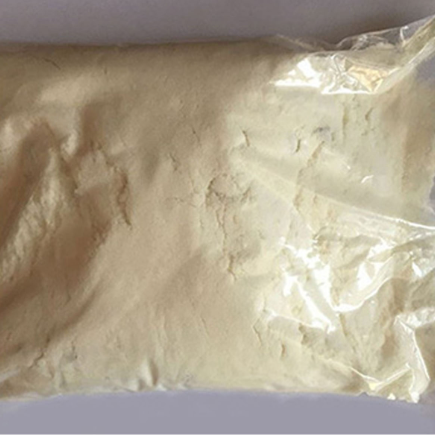
- Appearance: Fine, crystalline powder (typically off-white to tan or beige)
- Purity: ≥98% (HPLC-verified with full chromatographic report)
- Solubility: Soluble in DMSO, ethanol, and methanol; sparingly soluble in water
- Storage: Store at –20°C in an argon-purged, sealed, light-resistant container to ensure maximum stability
- Stability: 24 months when stored under recommended conditions
3. Cutting-Edge Research Applications
Our premium Metonitazene for sale is meticulously produced for the most stringent, ethical research in qualified laboratory settings. Its primary applications include:
1. Advanced Neuropharmacological Studies
- Receptor Binding Kinetics: Quantitative analysis of binding affinity (Ki), efficacy, and kinetics at human mu, delta, and kappa opioid receptors
- Functional Assays: Investigation of G-protein activation (e.g., GTPγS binding) and beta-arrestin recruitment (biased agonism) to understand signaling pathways
- Comparative Pharmacology: Critical comparative studies against other potent opioids, including fentanyl analogs and other nitazenes like Protonitazene
2. Metabolic and Pharmacokinetic Research
- In-Vitro Metabolism: Identification and characterization of major and minor metabolites using human liver microsomes or hepatocytes
- Enzyme Inhibition/Induction: Studies on potential interactions with cytochrome P450 enzyme systems
- Analytical Method Development: Serving as a primary standard for developing highly sensitive LC-MS/MS methods for toxicological screening
3. Forensic Toxicology & Public Health
- Certified Reference Material: Essential for the unambiguous identification of Metonitazene in seized materials and biological samples (urine, blood)
- Potency Assessment: Provides a benchmark for understanding the relative potency of novel synthetic opioids emerging on the illicit market
- Harm Reduction Research: Informs public health efforts by providing pure analytical standards to testing facilities
4. CRITICAL SAFETY & HANDLING PROTOCOL
WARNING: METONITAZENE IS EXTREMELY POTENT. Based on scientific literature, its potency is estimated to be many times that of fentanyl, posing an extreme, immediate risk of life-threatening respiratory depression even at microgram levels. Exposure via inhalation, skin contact, or accidental ingestion could be fatal. It is ABSOLUTELY NOT intended for human or veterinary use.
Mandatory Safety Protocols for Researchers:
- Environment: All handling MUST be conducted in a certified chemical fume hood with continuous airflow monitoring
- Personal Protective Equipment (PPE): Mandatory use of double nitrile gloves, a dedicated lab coat, chemical splash goggles, and a powered air-purifying respirator (PAPR) is required
- Emergency Preparedness: Multiple doses of the opioid antagonist naloxone (Narcan) must be immediately available in the research area. An emergency response plan must be in place and rehearsed
- Administrative Controls: Maintain a rigorous, non-tamperable inventory log. Access must be restricted to a minimal number of authorized, highly trained personnel only. Storage must be in a double-locked, dedicated safe within a controlled-access facility
- Waste Disposal: All waste materials (gloves, vials, etc.) must be treated as extremely hazardous and deactivated before disposal as hazardous chemical waste under strict regulations
5. Ordering & Packaging Information
Available for sale only to verified and accredited research institutions:
- 5 mg (Analytical Reference Standard)
- 10 mg (Small-Scale Research)
- 25 mg (Method Development)
- Custom Quantities (For approved institutional programs)
Every Order Includes:
- Certificate of Analysis (CoA): Detailed report with HPLC purity, high-resolution MS data, and batch-specific information
- Material Safety Data Sheet (MSDS): Comprehensive safety, handling, and first-aid instructions
- Regulatory Compliance Documentation: To assist with institutional reporting







Reviews
There are no reviews yet.