Description
1. Product Overview
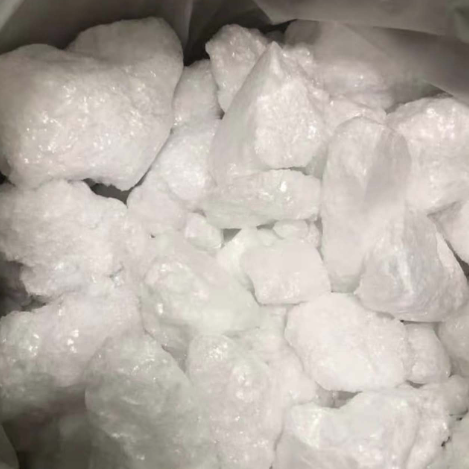
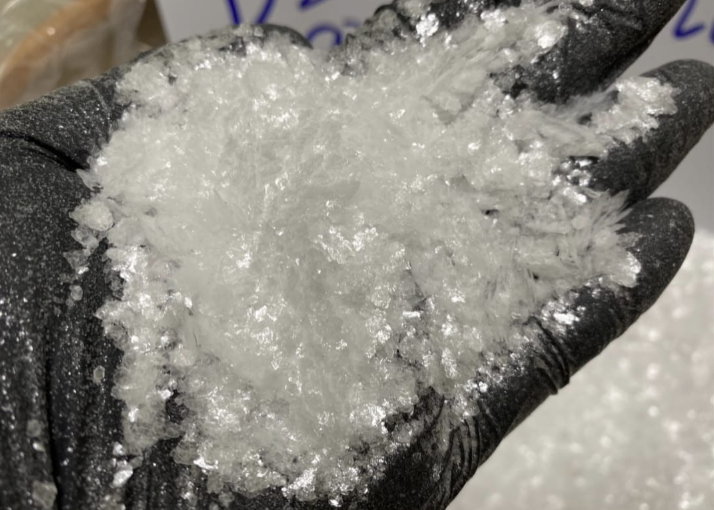
Boric Acid (also known as orthoboric acid) is an inorganic compound with the chemical formula H₃BO₃. This versatile white crystalline powder, with a smooth, greasy texture and no odor, is a critical raw material across numerous industries. With a CAS number 10043-35-3, our high-purity Boric Acid is manufactured to meet stringent quality standards, ensuring optimal performance in glass manufacturing, nuclear applications, ceramics, adhesives, and chemical synthesis.
2. Key Specifications
- Chemical Formula: H₃BO₃
- Molecular Weight: 61.83 g/mol
- CAS Number: 10043-35-3
- Appearance: White crystalline powder
- Purity: ≥99.5%
- Solubility: Soluble in water, glycerol, and alcohols
- pH: ~5.1 (in aqueous solution, weakly acidic)
- Elemental Composition: Boron (B, 17.48%), Hydrogen (H, 4.89%), Oxygen (O, 77.63%)
3. Industrial Applications
1. Glass and Fiberglass Manufacturing
- Enhances heat resistance, transparency, and mechanical strength of glass products
- Shortens melting time and improves workability
- Critical for producing optical glass, acid-resistant glass, borosilicate glass, and fiberglass
- Acts as a flux and network former, reducing viscosity and controlling thermal expansion
2. Nuclear Industry
- Boric Acid is enriched with Boron-10 isotope (high thermal neutron absorption cross-section)
- Used in nuclear reactor control rods, shielding, and safety systems
- Essential for radiation protection and nuclear waste vitrification
3. Ceramics and Enamels
- Reduces thermal expansion and curing temperature of glazes
- Prevents cracking and improves gloss, durability, and wear resistance
- Key component in lead-free glazes and fast-fire tile production
4. Flame Retardancy
- Impregnated into cellulose insulation, wood, and textiles to reduce flammability
- Cross-links hydroxyl groups, promoting char formation and suppressing combustion
5. Adhesives and Chemical Synthesis
- Serves as a cross-linking agent in corrugated paper adhesives, protein glues, and dextrin-based binders
- Catalyzes oxidation reactions in nylon production and stabilizes intermediates in fertilizer manufacturing
6. Laboratory and Analytical Use
- Prepares buffer solutions and culture media for haploid breeding
- Used as a reagent in spectroscopy, chromatography, and pH control
4. Synthesis and Quality
Boric Acid is synthesized via hydrolysis of boron trichloride (BCl₃) in sodium hydroxide:
BCl₃ + 3NaOH → H₃BO₃ + 3NaCl
Our production process ensures high yield and purity, with rigorous testing for consistency and compliance.
5. Packaging and Storage
- Available in 25 kg bags, 1-ton pallets, and custom quantities
- Store in a cool, dry place away from moisture and incompatible materials (strong bases, metals)
- Shelf-stable under recommended conditions
6. Safety and Handling
- GHS Classification: Eye irritation (Category 2B), Reproductive toxicity (Category 1B)
- Use personal protective equipment (PPE): gloves, goggles, and lab coat
- Avoid inhalation and direct contact
- Dispose of in accordance with local regulations







Reviews
There are no reviews yet.