Description
1. Pharmaceutical Overview
Tetracaine Hydrochloride (CAS 94-24-6) is a potent ester-type local anesthetic renowned for its rapid onset and extended duration of action. As the active pharmaceutical ingredient in various numbing eye drops and topical anesthesia products, this compound offers superior mucosal penetration and sustained analgesic effects. The tetracaine hydrochloride salt form provides enhanced stability and water solubility compared to the free base.
2. Elite Technical Specifications
- Chemical Name: 2-(Dimethylamino)ethyl 4-(butylamino)benzoate hydrochloride
- Synonyms: Amethocaine Hydrochloride
- CAS Number: 94-24-6
- Molecular Formula: C₁₅H₂₄N₂O₂ · HCl
- Molecular Weight: 300.83 g/mol
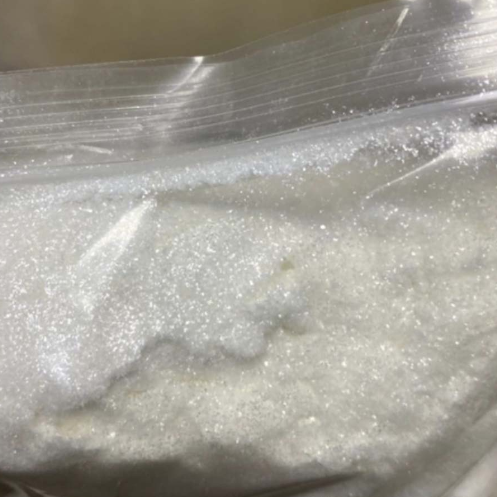
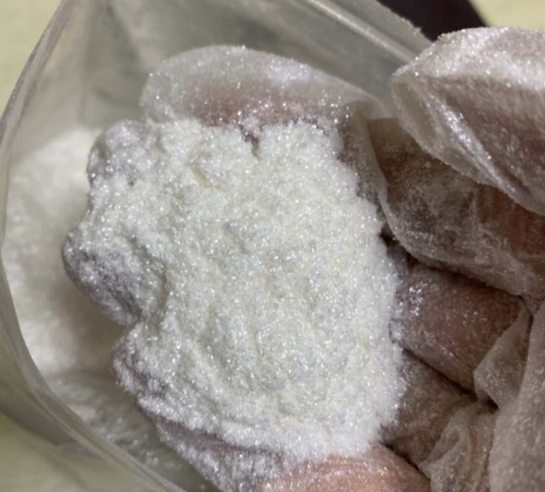
- Appearance: White, crystalline powder
- Purity: ≥99% (USP Grade, HPLC-verified)
- Solubility: Freely soluble in water (1:1), soluble in ethanol
- Melting Point: 147-150°C
- pH: 4.5–6.5 (1% aqueous solution)
- Storage: Store in airtight, light-resistant containers at controlled room temperature
3. Authorized Applications & Uses
1. Ophthalmic Applications
- Tetracaine eye drops for corneal anesthesia during tonometry and foreign body removal
- Ophthalmic solution for preoperative anesthesia and diagnostic procedures
- Anesthetic eye drops for short-term ocular surface analgesia
- Tetracaine ophthalmic formulations for veterinary eye procedures
2. Topical & Dermatological Use
- Tetracaine cream formulations for skin procedures and surface analgesia
- Lidocaine/tetracaine cream combinations for enhanced dermal anesthesia
- Numbing cream preparations for cosmetic and minor surgical procedures
- Tetracaine ointment for mucosal surface anesthesia
3. Veterinary Medicine
- Neo Predef with tetracaine topical powder for dermatological conditions in animals
- Veterinary ophthalmic solutions for diagnostic and therapeutic procedures
- Topical anesthesia formulations for minor veterinary surgeries
4. Specialized Formulations
- Tetracaine lollipops for oropharyngeal anesthesia
- Numbing lollipops for pediatric procedural sedation
- Dental applications for mucosal surface anesthesia
4. Clinical & Pharmacological Profile
- Mechanism of Action: Blocks voltage-gated sodium channels in neuronal membranes
- Prevents depolarization and propagation of action potentials
- Provides rapid-onset, reversible local anesthesia
- Duration of action: 45–60 minutes (longer than many other topical anesthetics)
- More potent surface anesthesia than lidocaine; superior for mucosal surface anesthesia
5. Critical Safety & Handling Information
WARNING: Tetracaine Hydrochloride is a potent local anesthetic with serious systemic toxicity potential if absorbed. It must be used only under appropriate medical supervision.
Safety Data:
- Tetracaine hydrochloride can cause methemoglobinemia in excessive doses
- Ophthalmic use requires careful dosing to prevent corneal damage
- Systemic absorption may cause CNS and cardiovascular effects
- Not for unsupervised consumer use
Handling Protocols:
- Use appropriate PPE: nitrile gloves, lab coat, and safety goggles
- Handle in controlled laboratory or pharmaceutical environments
- Follow aseptic techniques for pharmaceutical compounding
- Store in secure, temperature-controlled conditions







Reviews
There are no reviews yet.